Posts

Showing posts with the label offshoring

What is the Difference Between Remote Staffing and Outsourcing?

Image
In today’s globalized workforce , businesses are more frequently turning to alternative staffing solutions to enhance efficiency. Two widely adopted models are remote staffing and outsourcing. While these terms are sometimes used synonymously, they have distinct differences in framework, intended use, and implementation. Understanding these differences can help businesses choose the most suitable approach for their unique requirements.  Definition of Remote Staffing and Outsourcing Remote Staffing Virtual staffing refers to hiring employees who work remotely but are supervised by the company. Such employees function as an extension of the in-house team, handling routine duties under the company’s supervision. Companies often employ remote staffing for roles such as customer support, remote administrative support, IT development, and administrative work. Key Characteristics of Remote Staffing:  - Employees work exclusively for the employer.  - The business retains direct...

What is Offshoring, and What Does it Offer?

Image
Offshoring is a business practice in which a company or organization outsources certain business processes, services, or functions to a third-party provider located in a different country, typically one with lower labor costs or specific expertise in the required field. This practice has become increasingly common in a globalized economy and offers several benefits to businesses. Here are some key aspects of offshoring and what it can offer: Cost Savings : One of the primary motivations for offshoring is the potential for significant cost savings. Access to Specialized Skills : Offshoring allows businesses to tap into a global talent pool, gaining access to highly skilled professionals, engineers, developers, customer service representatives, and other experts in various domains. Scalability and Flexibility : Offshoring offers scalability and flexibility in operations. Companies can quickly adjust their workforce and resources based on demand fluctuations without the need fo...

What Makes Offshoring Tailor-Fit?

Image
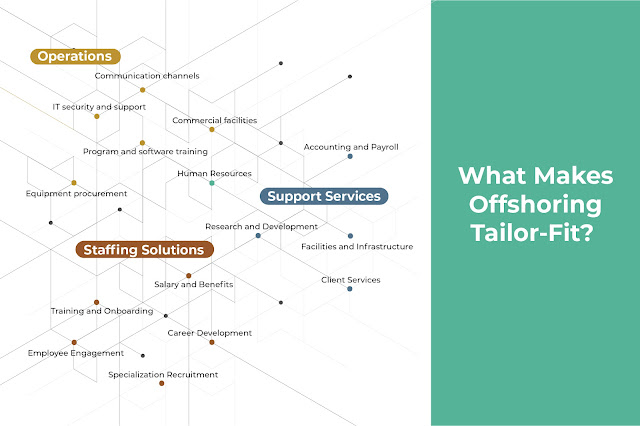
  In essence, offshoring is the strategic relocation of business functions to a foreign country to take advantage of lower costs , better talent, and more efficient operation or production. The service also allows clients to establish a presence in their chosen country and benefit from friendlier or more relaxed business regulations than they have at home.    What does offshoring do for a company? You divide it into multiple facets, including staffing solutions , equipment and supply procurement , commercial facilities design , and support services . You can consider all those elements specialized business services, but offshoring can offer them at various levels. The only limits will be the client’s preferences and resources, which bode well for organizations with specific desires when using third-party services.

Trend of Offshoring: Exploring In-Demand Jobs

Image
  Offshoring involves the practice of hiring employees from other countries to work remotely or in offshore locations for various business processes. The following are some of the in-demand jobs for offshoring:   Virtual Assistants : Offshore virtual assistants provide administrative support, manage calendars, handle correspondence, conduct research, and perform various tasks remotely. Software Developers : Offshoring software development is common as companies can tap into a global talent pool for web development, mobile app development, software engineering, and other technical roles. Customer Service Representatives : Offshore customer service representatives handle customer inquiries, provide support, and ensure customer satisfaction through various channels like phone, email, and live chat. Data Entry Specialists : Many companies outsource data entry tasks to offshore professionals who efficiently input, organize, and manage data in databases or spreadsheets. Content W...

Offshoring 101: What You Need To Know

Image
  Offshoring Meaning Offshoring refers to the practice of relocating business operations, such as manufacturing, services, or support functions, from one country to another, typically to take advantage of lower costs, favorable economic conditions, or specialized expertise available in the destination country. It involves the transfer of various business activities, processes, or even entire departments to a foreign location, often to countries with lower labor costs. The most common form of offshoring is outsourcing , where a company contracts with a third-party service provider or partner located in another country to perform specific tasks or functions on its behalf. This can include customer support, software development, data entry, manufacturing, or other services. Offshoring can offer several benefits to companies, including cost savings, access to a larger talent pool, improved efficiency, and increased competitiveness. However, it can also be a subject of debate and contro...

Offshore Companies: What You Need to Know

Image
Offshore companies are entities that are established in a foreign country where the tax laws are more favorable than in the country of the owner's residence. The main reason for establishing an offshore company is to minimize tax liability, but there are other benefits as well. In this blog post, we will discuss the advantages and disadvantages of offshore companies , and the legal and ethical implications. Advantage of Offshore Companies The most significant advantage of offshore companies is the potential for tax savings. In many countries, the tax rates are significantly lower than in the United States and other developed nations. Additionally, offshore companies enjoy greater privacy and confidentiality. The owners of offshore companies can remain anonymous, and their names are not listed in any public records. Moreover, offshore companies are not required to disclose financial information to the public, which can be beneficial for those who want to keep their financial affa...

The Philippines: A Top Destination for Offshoring Services

Image
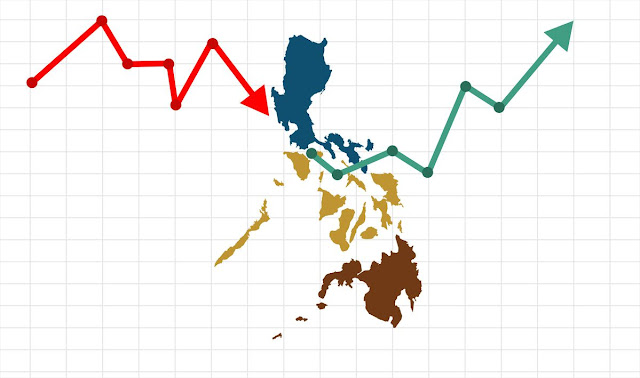
  Offshoring has had a significant impact on the Philippine economy, contributing to job creation and economic growth. The IT-BPO industry is now one of the largest employers in the country, with over 1.3 million people employed in the sector. The industry also generates a significant amount of foreign exchange, with revenues of over $20 billion in 2020. However, offshoring has also faced criticism for its impact on job security and wages in developed countries. Some argue that offshoring jobs to countries with lower labor costs has led to job losses and wage stagnation in developed countries. Additionally, there have been concerns about the quality of work and working conditions in offshoring destinations. Overall, offshoring in the Philippines has had a positive impact on the country's economy, providing employment opportunities and generating revenue. However, it is important to ensure that the benefits of offshoring are balanced with the need to protect workers' rights and ...

Factors to Think About When Putting Together an Offshore Team

Image
  If you're considering building an offshore team, there are several steps you can take to make the process smoother and more successful. Here are a few things to keep in mind:    Determine your business needs : Define the roles and responsibilities of the offshore team you want to build, as well as the skills and qualifications you require from potential team members. Research potential offshore locations : Consider factors such as time zone, cultural differences, and language proficiency when choosing a location for your offshore team. Identify a reputable service provider : Look for an outsourcing or offshoring service provider that has experience working with businesses like yours and has a proven track record of delivering high-quality work. Set clear expectations : Clearly define your project goals, timeline, and deliverables to ensure that everyone is on the same page. Communicate effectively : Use the right tools and technologies to facilitate communication and co...

Advantage Of Offshoring To Small Business

Image
  Offshoring can be a great opportunity for small businesses to increase efficiency and competitiveness in the market. Here are a few key advantages of offshoring for small businesses: Cost savings : One of the main benefits of offshoring for small businesses is the ability to reduce labor costs. Many countries, such as India and China, have a large pool of skilled workers who are willing to work for lower wages than those in developed countries. This can help small businesses to keep their costs low and improve their bottom line. Access to specialized skills and expertise : Offshoring can also provide small businesses with access to specialized skills and expertise that may not be available domestically. For example, a small business that specializes in software development may choose to offshore its customer service function to a company in the Philippines, where there is a large pool of skilled customer service representatives. Increased efficiency : Offshoring allows small bus...

What Is An Offshoring Solution?

Image
An offshoring solution , simply put, is the relocation of a company's business process to another country with more favorable conditions to reduce operation costs.     Business functions sent offshore vary from simple IT solutions to increasingly more complex knowledge-based business processes, including product development.  Offshoring is often confused with outsourcing. The two strategies are similar in that businesses use services from a foreign location to optimize their processes. However, the two do have a stark difference. While offshoring is when a company moves its process to another country, outsourcing is when a company contracts a service provider to handle particular tasks and functions for its business. In offshoring, a company retains its control over the process. However, in an outsourcing agreement, process methods and quality control are primarily left in the hands of the provider. Consider These Benefits So, what benefits does a firm stand to earn if it dec...

Jobs That Succeed During a Recession

Image
  Companies and enterprises are compelled to reduce spending and reduce production during difficult economic times . Except for those who hold positions deemed recession-proof, this frequently leads to job loss. People without a reliable source of income have less money to spend and are therefore pickier about the things they buy. As a result, businesses will experience a decline in the number of customers eager to purchase their products or services, which will reduce profits and force them to tighten their cash flow. This occurrence sets off a vicious cycle that can affect an entire economy. And depending on how intertwined a market or industry is with the rest of the world, it might have catastrophic worldwide implications, as we witnessed in the 2020 pandemic job recession. Whether or whether a nation's economy is functioning well, some industries and sectors are essential. Food, housing, and healthcare are a few examples of necessities that society needs to consistently provid...

When Should a Organization Offshore?

Image
At some point in the lifespan of any company when a organization owner must make a critical decision about how to develop further. Most companies competing in this global economy must eventually choose whether or not to use offshoring solutions if they want to continue to grow or scale. It's a tough decision during these uncertain economic times. With a recession on the horizon, the strategic implementation of offshoring solutions to lower costs for processes could mean the difference between survival and bankruptcy for many businesses.   The Distinction Between Offshoring and Outsourcing Due to frequent confusion, let's first make a distinction between offshoring and outsourcing . When a business hires a specialized outsider to carry out a phase of its business process, this is known as outsourcing. This typically means that the staff of the third party is not directly managed and supervised. On the other hand, offshore refers to the practice of a company moving or sending in...